Featured
Table of Contents
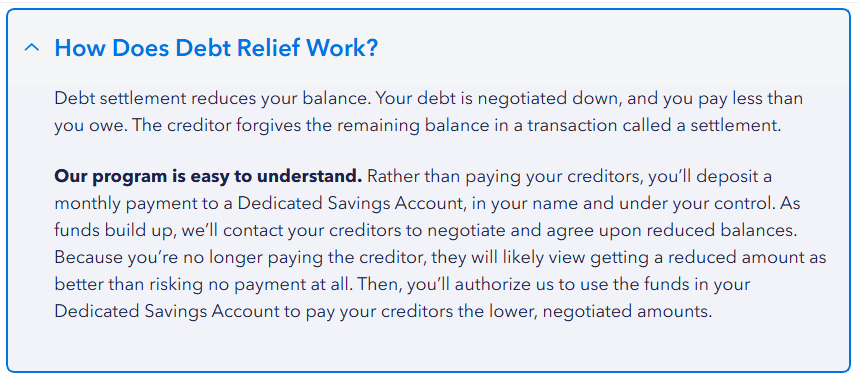
That liberates cash in the short term, and you might have 3 to 4 years to conserve towards the negotiation quantity. Very dangerous to credit history, primarily due to missed out on payments and an adverse "cleared up" mark that might remain on your credit scores report for approximately 7 yearsMay be only option if other options (financial obligation loan consolidation, balance transfer charge card, financial obligation mercy) aren't possibleTypically calls for a fee to the third celebration, which could offset some or every one of the financial savings from financial debt settlementMay help you prevent insolvency if you've missed a number of paymentsNot all creditors deal with debt negotiation firms Financial debt mercy may be right for you if you are experiencing a financial hardship that makes it nearly impossible to pay down your debt balances.
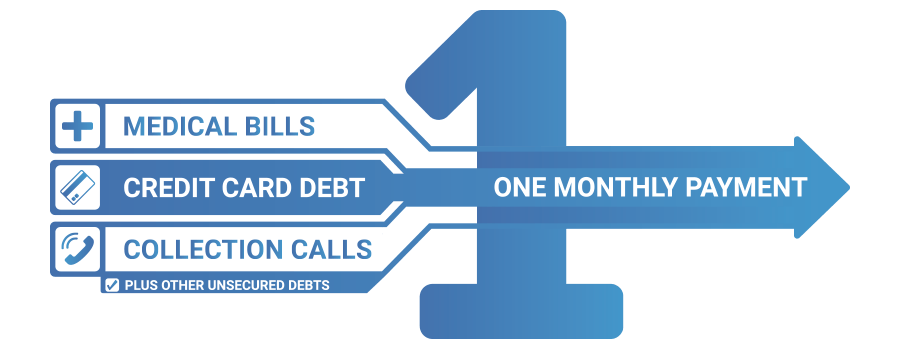
With a DMP, you make one month-to-month repayment to the credit report therapy company. Those funds are after that distributed to lenders of your unsecured financial debts, such as charge card and installment finances. The agency deals with your lenders to decrease rates of interest or forgo costs, however some lenders might decline such giving ins.
A financial debt combination financing combines your eligible financial obligations right into one brand-new car loan. It can assist you pay for debt if you have the ability to protect a loan rate that's less than the typical rate of the accounts you're consolidating. However, you must avoid acquiring financial debt on those recently cleared accounts or your financial obligation could expand also greater.
That gives you plenty of time to remove or considerably decrease your balance while making interest-free repayments.
The Only Guide for Unsecured Debt Forgiveness Made Simple
You might need it if your financial institution or a collection firm ever tries to collect on the financial debt in the future. The letter can verify you do not owe what the debt collection agency's documents show. Yes, for the most part, the IRS takes into consideration forgiven debt as taxed revenue. When a lender forgives $600 or even more, they are needed to send you Kind 1099-C.
Financial debt mercy or negotiation usually injures your credit history. Anytime you clear up a financial obligation for less than you owe, it might look like "cleared up" on your credit history record and affect your credit rating for seven years from the day of negotiation. Your credit rating can also go down significantly in the months bring about the mercy if you fall behind on payments.
The Ultimate Guide To Immediate Guidance to Recover Your Life
This situation usually results from underreporting income, not filing returns on time, or inconsistencies discovered during an IRS audit. The effects of accumulating tax financial debt are major and can include tax liens, which offer the IRS a legal case to your residential or commercial property as protection for the debt.
Greater rate of interest on available credit rating. Earnings and Financial institution Accounts IRS can levy (take) incomes and checking account to please the debt. Lowered income and disruption of essential economic processes. Residential property Seizure In extreme situations, the internal revenue service can seize and offer residential property to cover the financial obligation. Loss of beneficial assets and prospective displacement.
Anxiety, anxiousness, and various other psychological health and wellness concerns. Social Preconception Facing lawful action from the IRS can lug social preconception. Damage to credibility and relationships. Employment Opportunities A bad credit rating because of exhaust financial obligation can limit employment possibility. Difficulty searching for or keeping a work. Federal government Advantages Tax obligation financial debt might influence qualification for government advantages, such as Social Safety And Security and Medicaid.
Getting The Market Factors and Rising Need for Kickstart Your Credit Goals & Understand Your Credit Score: APFSC To Work
The OIC considers numerous factors, including the taxpayer's revenue, costs, possession equity, and ability to pay. Successfully discussing an OIC can be complicated, needing a thorough understanding of the internal revenue service's standards and a solid argument for why your deal lines up with your ability to pay. It is necessary to keep in mind that not all applications are approved, and the process requires comprehensive economic disclosure.
The IRS analyzes your general monetary circumstance, including your earnings, expenses, property equity, and ability to pay. You need to additionally be existing with all declaring and repayment requirements and not remain in an open personal bankruptcy case. The internal revenue service additionally considers your conformity history, assessing whether you have a document of timely filing and paying tax obligations in previous years.
About What Kickstart Your Credit Goals & Understand Your Credit Score: APFSC Typically Charge
The application procedure for a Deal in Concession includes a number of detailed steps. You have to complete and send IRS Kind 656, the Offer in Compromise application, and Kind 433-A (OIC), a collection info declaration for individuals. These forms call for thorough economic information, consisting of details concerning your income, financial debts, expenditures, and assets.
Back taxes, which are unpaid tax obligations from previous years, can considerably increase your complete IRS financial obligation otherwise attended to quickly. This financial debt can accrue interest and late repayment fines, making the original amount owed a lot larger with time. Failure to pay back tax obligations can result in the IRS taking enforcement activities, such as issuing a tax obligation lien or levy against your home.
It is crucial to attend to back tax obligations immediately, either by paying the full amount owed or by preparing a layaway plan with the IRS. By taking positive steps, you can prevent the build-up of added passion and charges, and protect against extra aggressive collection activities by the IRS.
One typical reason is the belief that the taxpayer can pay the total either as a round figure or through a settlement strategy. The internal revenue service also considers the taxpayer's income, expenses, possession equity, and future earning possibility. If these variables show that the taxpayer can afford to pay greater than the offered quantity, the internal revenue service is likely to deny the offer.
Rumored Buzz on Why Waiting to Seek Bankruptcy Counseling Causes Things Worse
It is essential to offer accurate and total info in your application and to consult with a tax obligation specialist to improve the chances of approval. Dealing with IRS debt can be intricate and complicated. Tax obligation professionals, such as Certified public accountants, tax obligation lawyers, or registered agents, can provide important support. They have the proficiency to browse the ins and outs of tax obligation law and internal revenue service procedures.

Latest Posts
8 Easy Facts About Non-Profit Debt Forgiveness Organizations Explained Described
Our Is Debt Forgiveness Suitable for You PDFs
A Biased View of Support Provided Through APFSC